Peptides and Amino Acids
Welcome to our specialized scientific research collection for Peptides and Amino Acids. Synthetic peptide sequences represent fundamental molecular instruments in modern bio-organic chemistry, structural biology, and cellular signal transduction research. From short-chain signaling oligopeptides to intricate helical peptide structures, these reference compounds enable researchers to investigate receptor binding affinities, enzyme substrate dynamics, and gene expression cascades in vitro. Investigators seeking certified analytical reference standards can explore our complete research catalog or access comprehensive batch chromatograms directly through Planet Peptide.
Synthetic Peptide Chemistry & Conformational Integrity
The reference standards within this category are synthesized utilizing solid-phase peptide synthesis (SPPS) protocols under controlled cleanroom conditions. Each amino acid residue is sequentially added with high coupling efficiency to ensure exact primary sequence assembly and minimal deletion sequences. Following cleavage and deprotection, crude peptide mixtures undergo rigorous purification via preparative reverse-phase High-Performance Liquid Chromatography (RP-HPLC) to achieve analytical purity levels exceeding 98%.
Popular reference standards featured within this research catalog include high-purity formulations such as BPC-157 10MG, TB-500 10MG, and CJC-1295 + Ipamorelin Blend. These compounds provide researchers with highly consistent baseline metrics for studying angiogenesis signaling, extracellular matrix turnover, cellular migration kinetics, and somatotropic axis stimulation across varied cell culture models. High-resolution liquid chromatography-mass spectrometry (LC-MS) and amino acid analysis (AAA) confirm exact molecular mass, sequence order, and peptide purity prior to catalog inclusion.
Advanced In Vitro Research Applications & Bioassays
Peptide reference standards in this collection support a wide spectrum of cutting-edge biochemical and cell-based experimental assays across academic and industrial settings. Researchers examine G-protein coupled receptor activation, intracellular secondary messenger accumulation (such as cAMP and intracellular calcium flux), and downstream gene transcription kinetics. Furthermore, synthetic peptides are heavily utilized in cell proliferation assays, wound-healing migration models, and enzymatic cleavage susceptibility testing under physiological temperature and pH gradients.
Key experimental domains involving synthetic peptides include:
- Receptor Binding & Ligand Dynamics: Characterizing competitive agonist/antagonist binding kinetics, receptor dimerization, and signal transduction cascades.
- Cell Culture & Proliferation Assays: Evaluating downstream pathway modulation, cellular migration rates, extracellular matrix remodeling dynamics, and cytokine expression profiles in vitro.
- Enzyme Kinetics & Substrate Mapping: Assessing proteolytic cleavage susceptibility, serine protease activity, enzyme inhibition constants, and peptide-protein interaction domains.
- Analytical Method Calibration: Calibrating mass spectrometers, analytical HPLC columns, capillary electrophoresis systems, and circular dichroism equipment with verified peptide sequence standards.
Lyophilization, Solubilization & Storage Protocol
To prevent hydrolytic cleavage, racemization, and peptide bond degradation, all compounds in the Peptides and Amino Acids catalog are supplied as freeze-dried lyophilized cakes within evacuated glass vials. Store unopened vials at -20°C in a desiccated environment protected from light exposure to maintain tertiary molecular stability for up to 24 months. Reconstitution should be performed under a certified laminar flow hood using sterile bacteriostatic water, mild acetic acid solutions, or laboratory saline tailored to the specific isoelectric point (pI) and hydrophobic profile of the peptide sequence. Avoid repeated freeze-thaw cycles to preserve secondary peptide folding.
Analytical laboratories routinely perform qualitative mass verification to confirm exact baseline characteristics prior to experimental assay deployment.
Showing 1–12 of 35 results
-
5-amino-1MQ
$75.00 Select options This product has multiple variants. The options may be chosen on the product page -
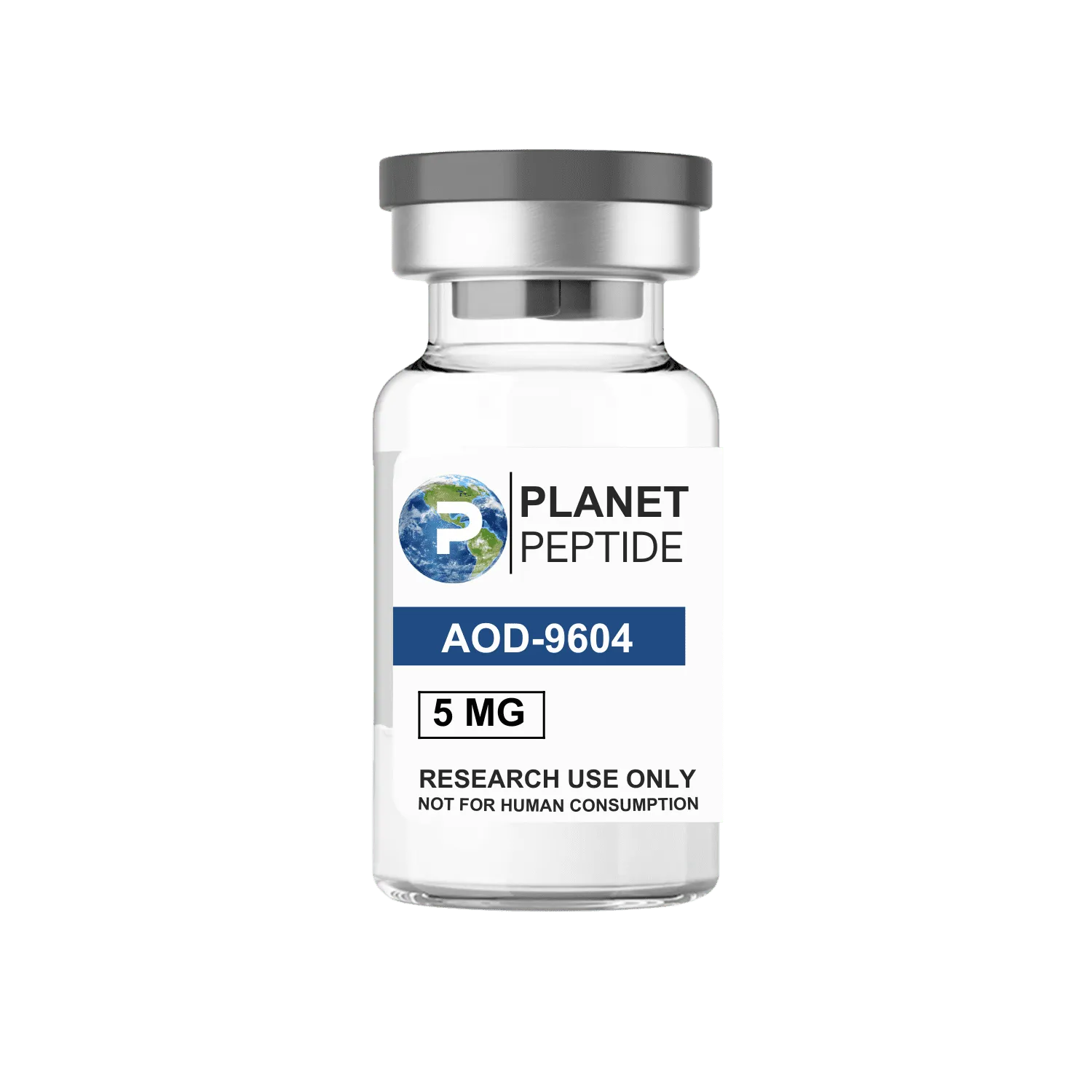
AOD-9604 5MG
$50.00 Select options This product has multiple variants. The options may be chosen on the product page -
BPC-157 / TB-500 / KPV / GHK-Cu 10/10/10/50
$105.00 Select options This product has multiple variants. The options may be chosen on the product page -
BPC-157 10MG
$37.00 Select options This product has multiple variants. The options may be chosen on the product page -
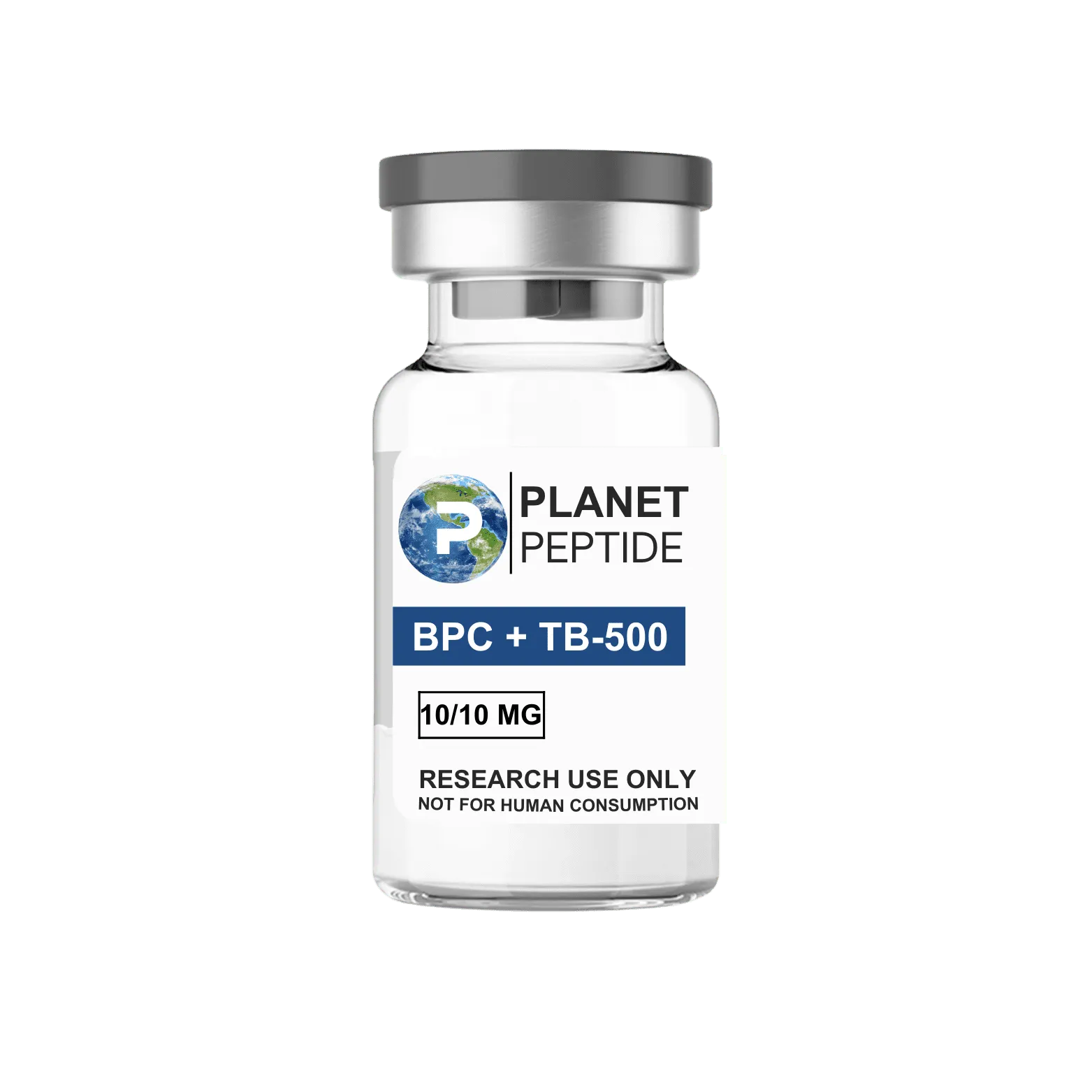
BPC-157+TB-500 10/10MG
$60.00 Select options This product has multiple variants. The options may be chosen on the product page -
Cagrilintide-RUO 10MG
$55.00 Select options This product has multiple variants. The options may be chosen on the product page -
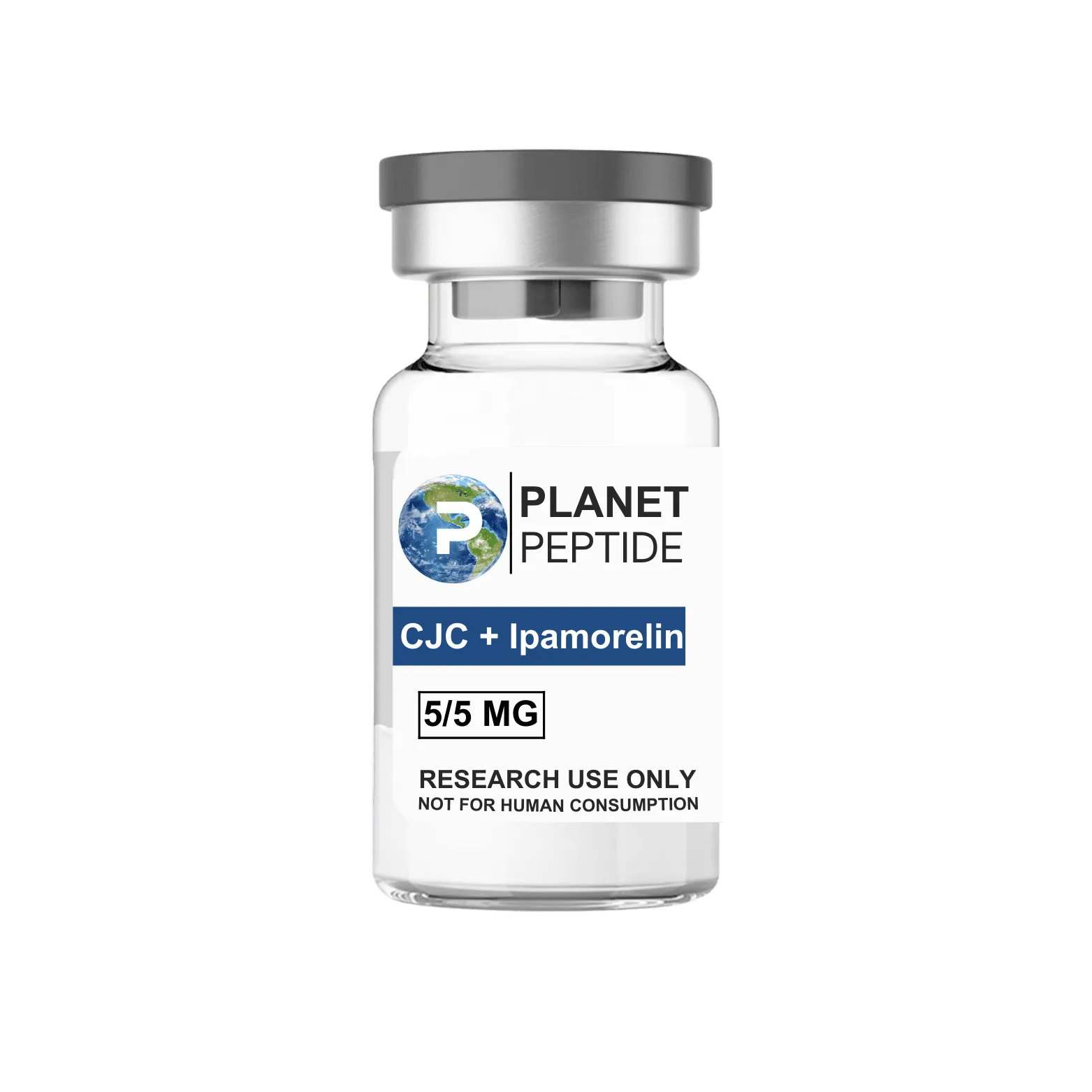
CJC-1295 NO DAC + Ipamorelin 5/5
$60.00 Select options This product has multiple variants. The options may be chosen on the product page -
DSIP 5MG
$50.00 Select options This product has multiple variants. The options may be chosen on the product page -
Epitalon 10MG
$40.00 Select options This product has multiple variants. The options may be chosen on the product page -
GHK-Cu Copper Peptide 100MG
$50.00 Select options This product has multiple variants. The options may be chosen on the product page -
Ipamorelin 10MG
$60.00 Select options This product has multiple variants. The options may be chosen on the product page -
KPV 10MG
$75.00 Select options This product has multiple variants. The options may be chosen on the product page